
Science laboratories
Separate physics, chemistry and biology laboratories, each seating thirty-two, with a timetabled practical every week from Class VI upward.
Affiliated to CBSE, New Delhi — Affiliation No. 2730123
Established 1984
Forty-one years in Rohini, 1,240 students, and an average class size of 31. We teach the CBSE curriculum without pretending it is anything else, and we tell parents the truth about how their child is doing.
Why here
Four things you can check against our disclosure page before you visit, rather than four things every school claims.
Against the CBSE ceiling of 30:1. No section has exceeded 34 students in six years, and the figure is republished every quarter.
Median teaching experience is twelve years. Your child is unlikely to change class teacher mid-year.
Every head, every class, published on this website. No charge appearing in March and no compulsory book set from a single vendor.
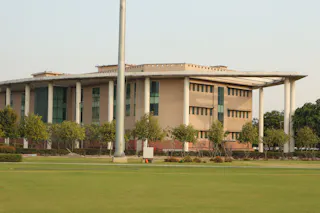
Four acres, built out in stages. The 1984 block still houses the junior wing.
Facilities
Four acres in Sector 11, built out in stages since 1984.
Separate physics, chemistry and biology laboratories, each seating thirty-two, with a timetabled practical every week from Class VI upward.
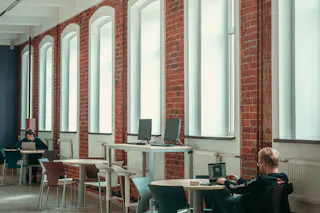
Around 14,000 volumes, forty reading seats, and a librarian on duty through the school day. Every class from I to VIII has a timetabled library period.
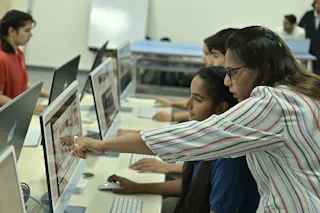
Forty-eight workstations on a wired network, one per student for Classes VI to XII. Replaced in 2024.
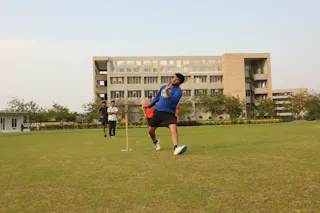
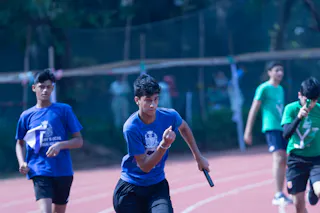
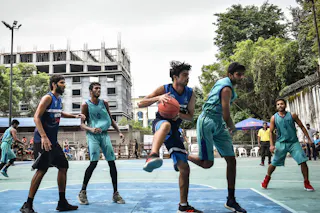
A 200-metre track, one football and two basketball courts, and a covered area used through the monsoon.
Our toppers
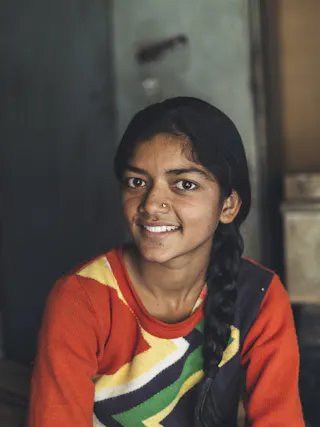
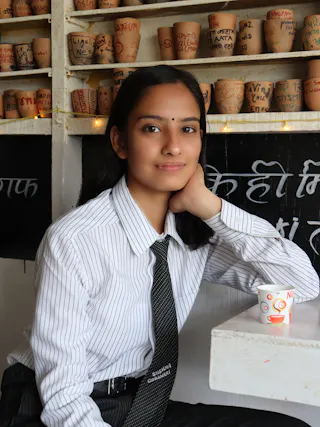
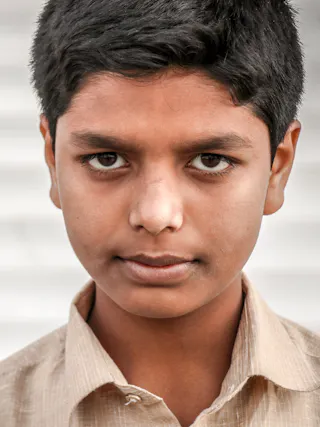
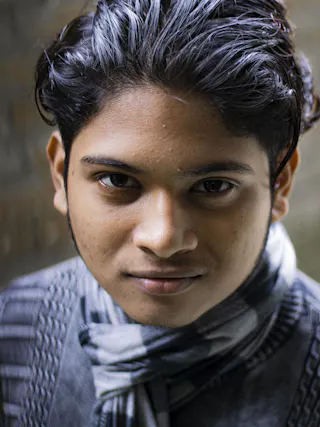
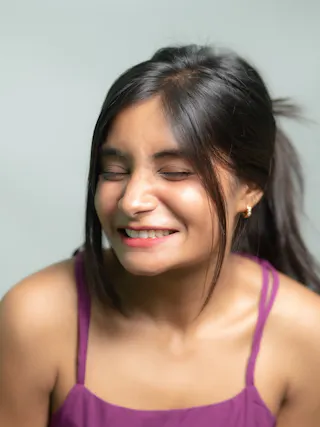
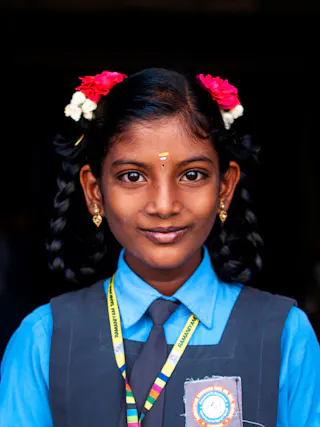
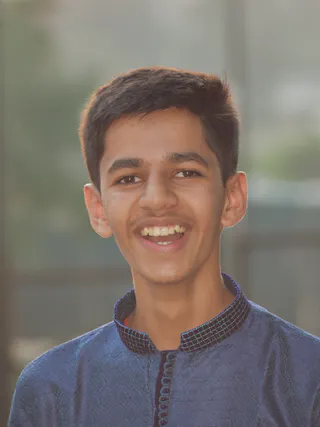
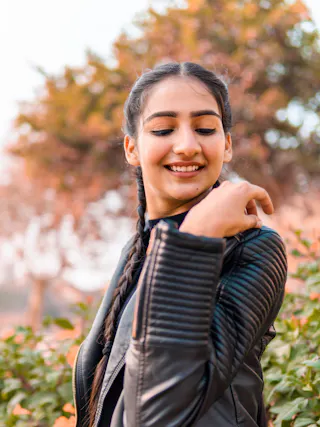
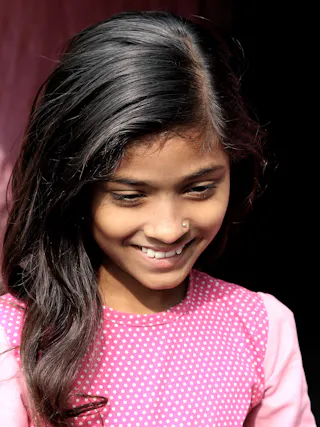
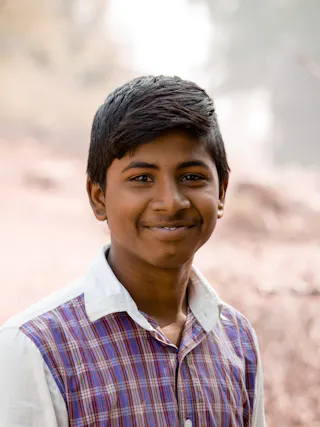
Twelve of the 243 candidates who sat the board examinations. Every figure below matches our Mandatory Public Disclosure page, because an inspector will compare them.


Academics
Nursery through Class XII, on the CBSE curriculum.
Three years of play-led learning in rooms with no more than twenty-four children and two adults. Reading readiness rather than reading, numbers up to twenty, and a great deal of time outdoors.
English, Hindi, Mathematics, Environmental Studies and Computer Awareness, with weekly art, music and games periods that are not surrendered to revision. Formal examinations begin in Class III.
Science splits into physics, chemistry and biology with a timetabled practical each week. Sanskrit is introduced as the third language, and every student takes part in one house activity per term.
The CBSE board course, with a subject-choice conversation in Class IX rather than a stream allocation announced in Class X. Remedial periods run after school four days a week, at no additional charge.
Science, Commerce and Humanities streams. Class sizes fall to around twenty-eight, and each student is assigned a subject mentor who meets their parents twice a term.
Destinations
Every destination below is a place a student of ours actually enrolled at, not a place one was offered.
Latest
What has happened here recently, in the school’s own words.
Two hundred and forty-one of 243 candidates cleared. The school average was 81.4%, up from 79.8% last year. Every mark on this page matches our disclosure record.
Science exhibition: 62 projects, judged by parentsClasses VI to XII showed 62 projects over two days. We asked eleven parents who work in engineering and medicine to judge, instead of inviting a chief guest.
Two for mathematics, one for social science and one special educator. Middle-school sections are now capped at 32 rather than 34.
Coming up
Examinations, meetings and the things worth taking a morning off for.
Fifteen minutes per child, by appointment. Book your slot through the parent portal; walk-ins are seen after 12.30 p.m. if a slot is free.
English, Mathematics and General Science, ninety minutes. Bring the admit card and a photograph. There is no interview for any class.
Track events from 7.30 a.m., house relays after the break, prize-giving by 12.30 p.m. Parents are welcome on the east stand.
Assembly at 8 a.m., followed by the alumni lunch. The 1986 batch is organising this year and has asked for a cricket match.
Our promises
These are not aspirations. If any of them is not honoured, write to the Principal and we will answer in writing.
No capitation fee, no building fund, no “voluntary” contribution at any stage of admission. The fee structure on this website is the entire amount you will pay.
Nursery admission is by draw of lots, conducted in front of parents. From Class I upwards there is a written test in English, Mathematics and Science, and nothing else.
The book list names the publisher and edition. Buy them wherever you like, including second-hand.
Including the students who did not clear at the first attempt, and the registered count beside the passed count — not the pass percentage on its own.
Faculty
Grouped the way the board counts them — administration first, then post-graduate, trained graduate, primary and nursery teachers. The subject each one teaches is beside their name.



Gallery
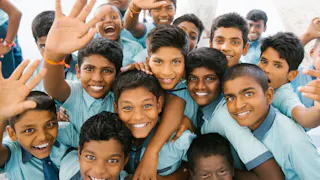
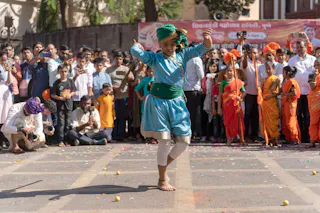
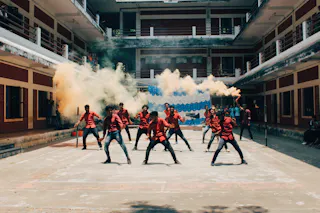
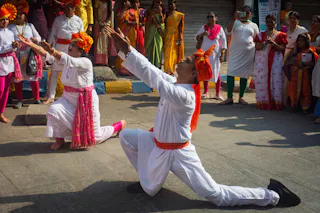
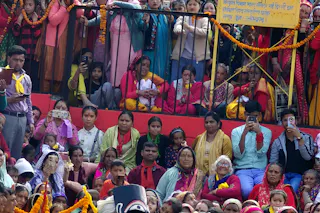
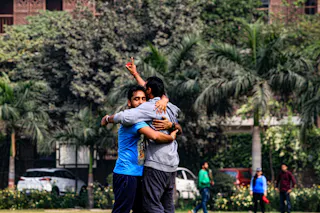
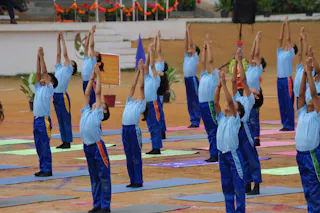
Photographs from assembly, sports day and the annual function.
Parents
Sent to the office unprompted, and printed with the writer’s permission.
What convinced me was that the class teacher rang me in the second week of Class VI to say my son was struggling with the new science format. Nobody had ever rung me from his previous school except about fees.

The library period is real. It is on the timetable and it does not get taken for extra maths before the exams, which is what happened at my cousin’s school.
They told us at the admission interview that there is no admission interview. I did not believe it until the draw of lots, which we watched.
I left in 2011 and came back to teach in 2019. Three of my own teachers were still here. That tells you something about the place that a brochure cannot.
Nursery to Class IX. The form is free, the registration fee is ₹500, and the fee structure for every class is published on this site before you apply.